
Your cart is currently empty.
Skip to product information
 Open media 0 in gallery view
 Open media 0 in gallery view
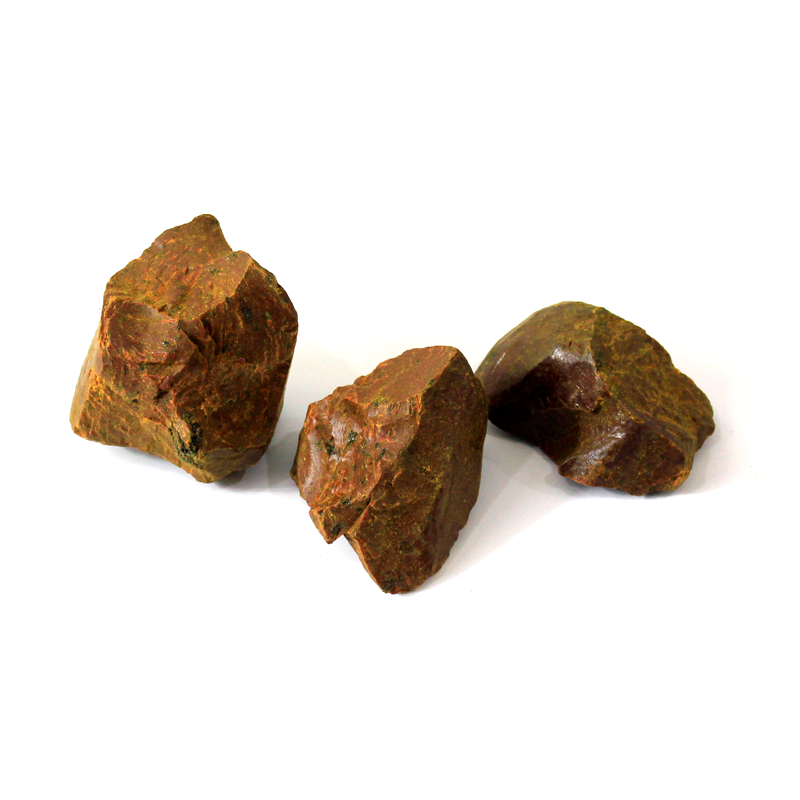
Extract of Rhubarb (Usarah Rewand)
Regular price
Rs.1,500.00
Rhubarb/Asarah Rewand (????? ?????)?is a group of herbaceous perennial plants?Rheum Emodi?that grow from thick short rhizomes, comprising the genus Rheum. The large, somewhat triangular leaf blades are elevated on long,
Add to wishlist
Add to compare
Vendor:Farzana Dawakhana
Type:Extracts
Description
Additional info
Description
- Description
- Additional info
- Antispasmodic \n
- Antiseptic \n
- Anticholesterolemic \n
- Antitumor \n
- Aperients \n
- Astringent \n
- Cholagogue \n
- Cholagogue \n
- Diuretic \n
- Stomachic \n
- Constipation:?The herb is capable of relieving mild cases of constipation but not chronic ones. The herb contains tannins and after purgation, it creates an astringent effect which results in constipation. \n
- Diarrhea:?Rhubarb has astringent properties; therefore, it can help combat cases of diarrhea; possibly caused by any irritant present in the intestines. \n
- Children?s Ailments:?Rhubarb reduces excessive acidity in the digestive tract of children. Excessive consumption of milk could also lead to diarrhea in children; this causes putrefaction and increases the acidity in the stomach. Rhubarb does a wonderful job in removing the putrefied faecal matter and eventually reduces the excess acid. There might be some constipation resulting afterwards; however, the motion stops automatically after the bowels are cleansed. \n
- Poison Ivy:?Rhubarb, proves to be a valuable home remedy for poison ivy. Raw Rheum Emodi rubbed over the infected area, where the itching occurs; provides relief. If the itching is persistent, the herb can be applied again. \n
- Other Disorders:?Rhubarb is also quite useful for relieving lumbago, sore eyes, chronic bronchitis, piles, asthma, chronic liver, coryza, various bruises, pains, and biliousness. \n
Rhubarb/Asarah Rewand (????? ?????)?is a group of herbaceous perennial plants?Rheum Emodi?that grow from thick short rhizomes, comprising the genus Rheum. The large, somewhat triangular leaf blades are elevated on long, fleshy petioles. The flowers are small, greenish-white, and borne in large compound leafy inflorescences. Though the leaves of rhubarb are toxic, the plant, especially its stalk, has medicinal uses.
\nTherapeutic powers of Rhubarb:
\nUse of Rhubarb for therapeutic purposes has been traced back to thousands of years by the Chinese. During olden times the roots of the plant were used as a laxative and a dieting aid. The roots of Rhubarb were used in Europe and Middle East even during the middle ages and are used in Chinese medicine even today. They have been known to lower blood glucose levels in diabetes.
\nThe herb can act as an,
\n \n-
\n
Care for ailments:
\nRhubarb has been used for medicinal purposes since the times of ancient chinese. Some of the ailments that this herb can help relieve are,
\n \n-
\n
Safety & Precautions:
\nRhubarb contains certain amounts of oxalic acid which is dangerous. Continuous use could lead to the formation of stones, either in the kidney or in the bladder and distressing nervous symptoms. Rhubarb, should be avoided by those patients who have gout, epilepsy, rheumatism, tendency to get wounds, and other related diseases with uric acid. Before using any herb it is advisable to consult a medical practitioner.
Additional info