
Your cart is currently empty.
Skip to product information
 Open media 0 in gallery view
 Open media 0 in gallery view
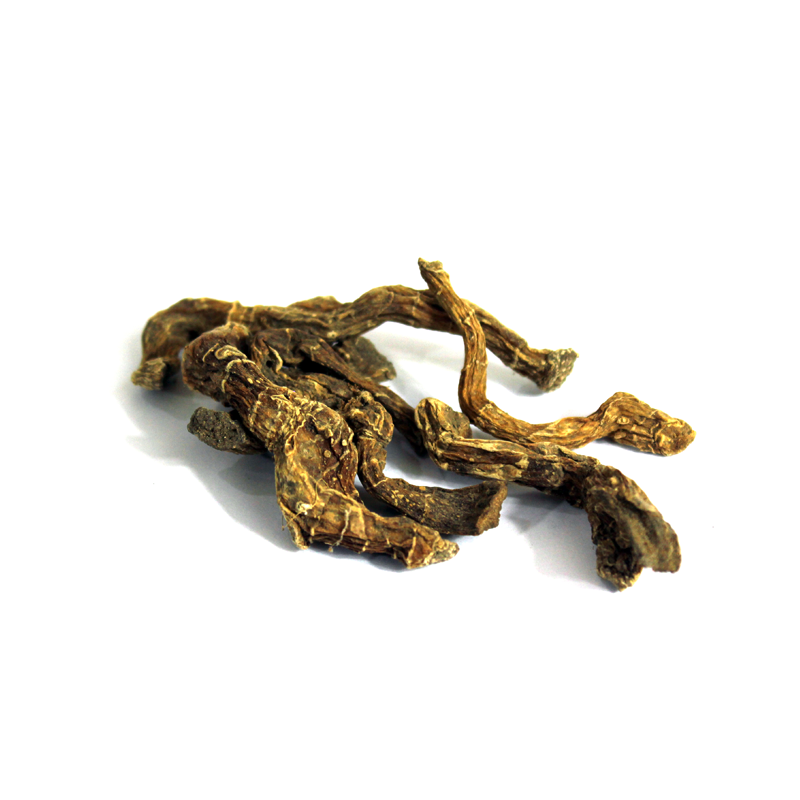
Parsnip (Shaqaqil Misri)
Regular price
Rs.200.00
Parsnips/Shqaqil Misri (????? ????) also known as Pastinaca Sativa,?contain a wide variety of vitamins, minerals and nutrients, including dietary fiber, folate, potassium and vitamin C.?Parsnips are sweet, succulent underground taproots,
Add to wishlist
Add to compare
Description
Additional info
Description
- Description
- Additional info
- Heart disease \n
- Cancer \n
- Hemorrhoids \n
- Obesity \n
- Stroke and diverticulitis. \n
- Depression \n
- Risk of birth defects \n
Parsnips/Shqaqil Misri (????? ????) also known as Pastinaca Sativa,?contain a wide variety of vitamins, minerals and nutrients, including dietary fiber, folate, potassium and vitamin C.?Parsnips are sweet, succulent underground taproots, belong to the same plant family as celery, parsley and carrots. Parsnips resemble carrots in taste and texture and are primarily eaten cooked, though they can be shredded thin and eaten raw.
\nThe majority of a parsnip's fiber is soluble fiber. A high intake of soluble fiber is linked to a decreased risk of diabetes and high blood cholesterol.
\nIt improves bone health and immune system.
\nDiets that include plenty of high-fiber foods like parsnips may also help prevent,
\n \n-
\n
Precautions:
\nParsnip plant and its parts may cause hypersensitivity reactions like contact dermatitis and oral allergy syndrome (OAS) when handled in some sensitive individuals. The reaction symptoms may include rash and skin lesions. Some of the common OAS symptoms may include itching or burning sensation in the lips, mouth, and throat. In severe cases swelling of the lips, tongue, and redness in eyes, and breathing difficulty may be observed. Individuals with known history of allergy to birch category pollen agents like walnuts, fig, carrots, parsley, etc., may develop cross-sensitivity to parsnip and should be avoided.
\nWhen used on the skin, parsnip can cause the skin to become extra sensitive to the sun.
Additional info