
Your cart is currently empty.
Skip to product information
 Open media 0 in gallery view
 Open media 0 in gallery view
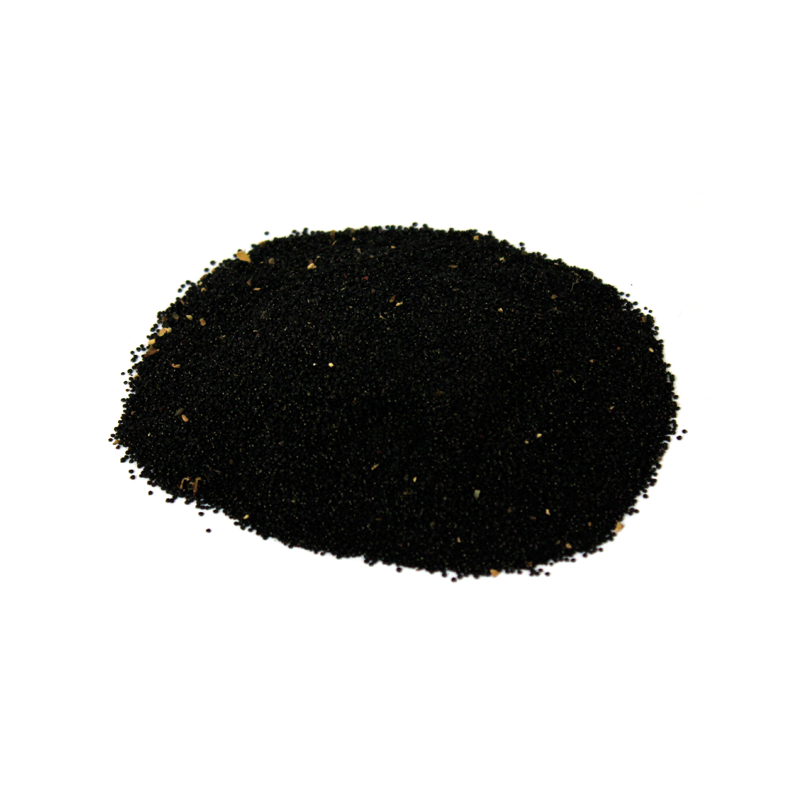
Purslane Seeds (Tukhm-e-Khurfa siah,qulfay ke beej)
Regular price
Rs.160.00
Although this may come as a surprise to many?vegetable?lovers, purslane may be the most important vegetable that hasn?t made its way into your diet! The main reason for this is
Add to wishlist
Add to compare
Description
Additional info
Description
- Description
- Additional info
- Aids in weight loss. \n
- Lowers bad cholesterol levels. \n
- Protects bones against osteoporosis. \n
- Stimulates blood circulations in body. \n
- Helps to prevent lung and oral cancers. \n
- Reduces inflammation on bee stings and snakebites. \n
- Helps to prevent macular degeneration and cataracts. \n
- Reduces appearance of wrinkles, scars and blemishes. \n
- Aids in treating gastrointestinal disorders such as diarrhea. \n
- Helps to prevent atherosclerosis, heart attacks and strokes. \n
- Prevents development disorders like autism and ADHD in children. \n
Although this may come as a surprise to many?vegetable?lovers, purslane may be the most important vegetable that hasn?t made its way into your diet! The main reason for this is that for many years, purslane has been considered little more than an annoying weed. In fact, it is scientifically known as an annual succulent and is widely eaten throughout Europe, Asia, the Middle East, and Africa. In the United States, it is usually ignored or pulled up and treated like any other invasive greenery in gardens and yards.
\nIt has a slightly sour and salty taste that makes it an interesting addition to the palate. The entire plant, including the leaves, stem, flowers, and seeds, are edible and have been used for?thousands of years?in different variations.
\nPurslane most likely originated in the Mediterranean region, but it has been?in use since prehistoric times, and is widely referred to in ancient Chinese medicine, as well as in early aboriginal culture as far away as in Australia. Purslane Seeds/Tukhm-e-Khurfa (??? ????) are also known as?Verdolaga, Pigweed, Little Hogweed, Red Root, Pursley and?Portulaca Oleracea Linn.
\nThis vegetable has extremely high levels of omega-3 fatty acids for a land vegetable, as well as significant amounts of?fiber,?vitamin A,?vitamin C, B-family?vitamins,?iron,?magnesium, manganese, potassium, calcium, and copper. Furthermore, the betalain pigments (powerful antioxidant compounds) and carotenoids round out this veritable treasure trove of nutrients and beneficial organic compounds.
\nHealth Benefits of Purslane Seeds:
\n \n-
\n
Precautions & Side Effects:
\nPurslane seeds contains oxalic acid, a naturally-occurring substance found in some vegetables, which may crystallize as oxalate stones in the urinary tract in some people. ?It is therefore, people with known oxalate urinary tract stones are advised to avoid eating purslane. Adequate intake of water is therefore advised to maintain normal urine output.
\n?Additional info